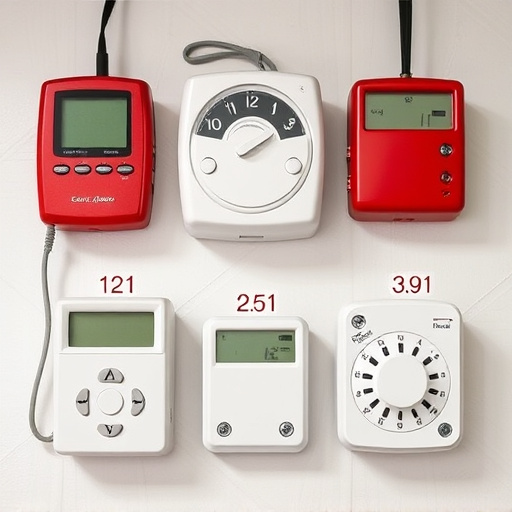
Lone workers' independence, though efficient, presents safety risks. Personal Alarms with Strobe Lights are vital lifelines, offering communication and attention-grabbing features in remote areas. Organizations should prioritize training on these devices to ensure effectiveness during critical situations, enhancing the safety of mobile workforces. These alarms combine bright lights and loud sounds to signal emergencies, with GPS tracking and automatic fall detection for enhanced safety. Regular training empowers lone workers to maintain their well-being while working alone.
In today’s fast-paced world, an increasing number of workers operate alone, facing potential risks without immediate supervision. This article explores the critical need for safety alert systems designed specifically for lone workers. We delve into understanding the unique hazards associated with isolated work environments and highlight the significance of personal alarms equipped with strobe lights as a life-saving measure. Additionally, we provide insights on implementing and enhancing comprehensive safety protocols to ensure their well-being.
- Understanding the Risks of Lone Work
- The Role of Personal Alarms with Strobe Lights
- Implementing and Enhancing Safety Measures
Understanding the Risks of Lone Work
Lone workers, by definition, operate independently without immediate on-site supervision. While this autonomy offers numerous benefits in terms of efficiency and cost-effectiveness, it also introduces unique safety risks that demand attention. These risks span from unforeseen accidents and injuries to more severe scenarios involving emergency situations where immediate assistance may be required. In such cases, a reliable personal alarm with strobe light can serve as a crucial lifeline for lone workers.
These alarms provide not only a means of communication but also a visible signal to attract attention in remote or low-visibility conditions. By integrating such devices into their work gear, lone workers can enhance their safety profile significantly. Moreover, organizations that prioritize the well-being of their mobile workforce should adopt policies and procedures that encompass regular training on using personal alarms with strobe lights, ensuring their effectiveness during emergency situations.
The Role of Personal Alarms with Strobe Lights
Personal alarms with strobe lights play a pivotal role in enhancing safety for lone workers, especially those operating in isolated or hazardous environments. These devices are designed to capture attention rapidly and effectively, ensuring that help can be summoned swiftly if needed. The bright, intense flashes of light, often accompanied by loud alarm sounds, can break the silence and draw immediate assistance, crucial in situations where a worker is unable to communicate their distress verbally.
The integration of strobe lights into personal alarms increases their visibility, making them ideal for outdoor or low-light conditions. This feature allows workers to signal their location and emergency status even under challenging circumstances. Moreover, the combination of light and sound signals can be more impactful than either alone, creating a powerful alert system that is harder for others to ignore or mistake for false alarms.
Implementing and Enhancing Safety Measures
Implementing safety measures for lone workers is paramount, especially when they’re unsupervised and potentially vulnerable. One effective tool in this regard is a personal alarm with strobe light. These devices serve as a critical line of defense against unforeseen dangers, providing both audible and visual alerts that can draw attention and summon assistance quickly. By integrating such alarms into their daily routines, lone workers can enhance their safety and peace of mind, ensuring help arrives promptly if needed.
Moreover, these alarms often come equipped with various features like GPS tracking and automatic fall detection, further enriching the safety framework. Regular training on how to use these devices effectively is equally vital. This includes rehearsing alarm triggers and understanding the response protocols, empowering workers to take proactive steps in maintaining their well-being while working alone.
Lone workers face unique challenges, but implementing safety alert systems, such as personal alarms with strobe lights, can significantly enhance their protection. By equipping yourself or your employees with these devices, you’re taking a proactive step to mitigate risks and ensure swift response in emergencies. Incorporating these measures into existing safety protocols is crucial for fostering a secure environment, promoting peace of mind, and ultimately saving lives.